Where should I install an EV charger at my house?
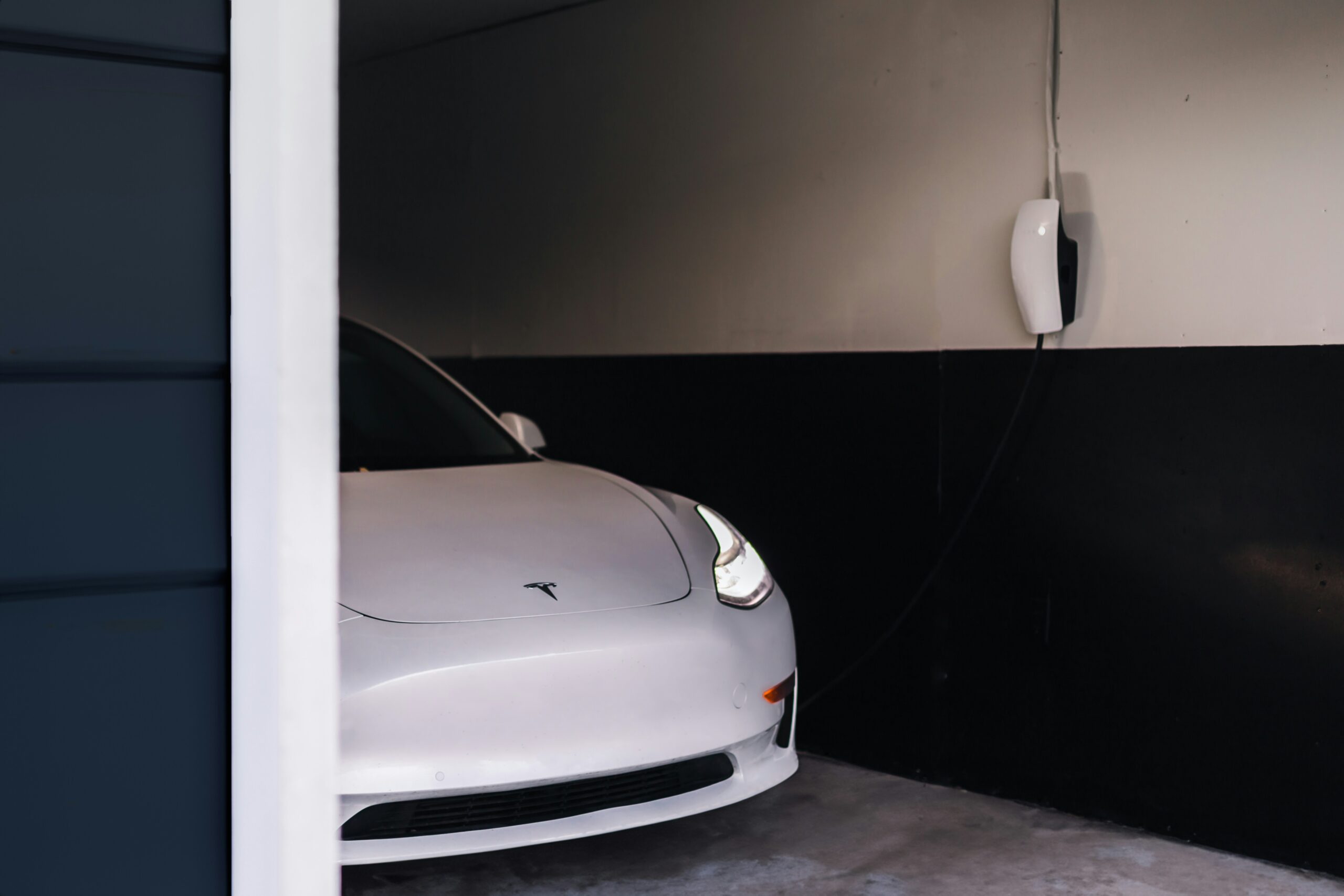
If you are new to electric vehicles, it is easy to assume your charger should go in the garage. In reality, the safest and most practical place for a home charger is outside. This keeps the vehicle, the electrical equipment, and your home better protected while giving you more flexibility in how you park and charge.
Here is what to think about when choosing the right outdoor location.
Why outdoor installation is the standard
Better ventilation
EV charging equipment and high voltage systems generate heat. Outdoor airflow reduces heat buildup and lowers risk during long charging sessions.
Safer in the event of battery issues
While EV battery problems are rare, keeping the charger outside avoids the possibility of smoke or heat building up inside a garage or enclosed space.
Easier access for daily use
Most people park outside or near the driveway. An outdoor charger mounted near your natural parking spot keeps charging simple and avoids constant maneuvering.
Designed for weather
Modern Level 2 chargers are built to be weather resistant. When installed correctly with outdoor-rated conduit and hardware, they perform reliably in rain, snow, heat, and full sun.
Key factors when choosing the exact spot
Close to your electrical panel
Installation cost is driven by distance. The closer the charger is to the panel, the lower the labor cost. Exterior walls adjacent to the panel are often the best locations.
Where you naturally park
Place the charger where your car already sits most nights. This avoids stretching the cable and makes plugging in effortless.
Cable reach
Most chargers have 16 to 25 foot cables. Make sure the cord reaches the charging port without dragging or crossing walkways.
Weather protection
Even outdoor-rated chargers benefit from thoughtful placement. Consider a spot with some natural shielding from heavy rain or direct sprinkler spray.
Mounting surface
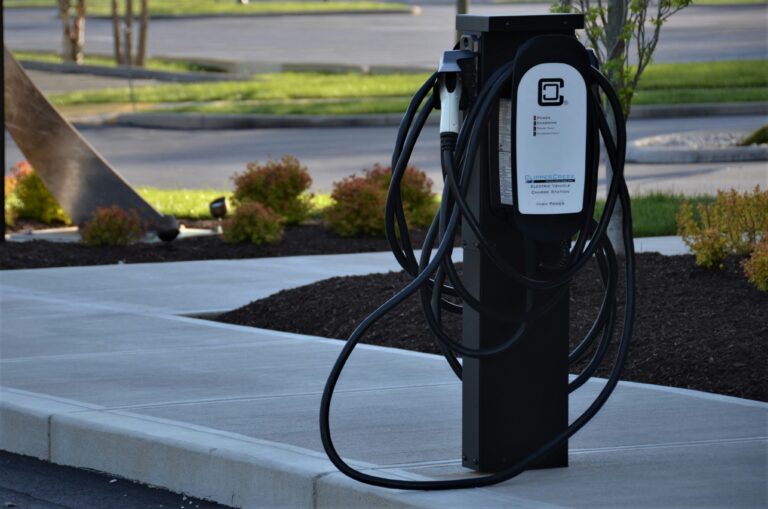
Charger units need a stable, solid surface. Exterior walls, masonry, or a properly installed post all work well.
Common outdoor installation locations
Exterior wall next to driveway
The simplest option for most homes. It is cost effective and offers good cable access.
Side of garage
If your panel is inside the garage, placing the charger directly outside reduces wiring distance.
Carport support posts
Easy access with minimal conduit work.
Dedicated post mount
Useful when parking spots are offset from the house.
What your electrician evaluates
- Panel capacity
- Distance to installation point
- Conduit routing
- Grounding and GFCI requirements
- Weatherproofing
- Compliance with local code and HOA rules
Their goal is to create a clean, safe system that handles long charging sessions without strain.
Special situations
No driveway or limited parking
A post-mounted charger near the front or side walkway can work if properly positioned.
Shared townhome or condo parking
You may need HOA approval. Load management devices can help when electrical capacity is limited.
Detached garages or long distances
Extra conduit and trenching might be required. Choosing the closest practical exterior wall reduces this cost.
Cost impact of placement
Placement matters directly. A short, simple exterior install near the panel is often under 1,000 dollars. A location farther from the panel or one that requires trenching typically costs more.
Final thoughts
Outdoor installation is the safest and most reliable way to charge at home. It keeps the equipment ventilated, reduces risk, and aligns with how most homeowners already park. If you want help choosing the ideal location or need a price estimate for your home, our team can evaluate your setup and give a clear recommendation.