EV Fire Blanket Safety: The Features That Matter and the Step People Get Wrong
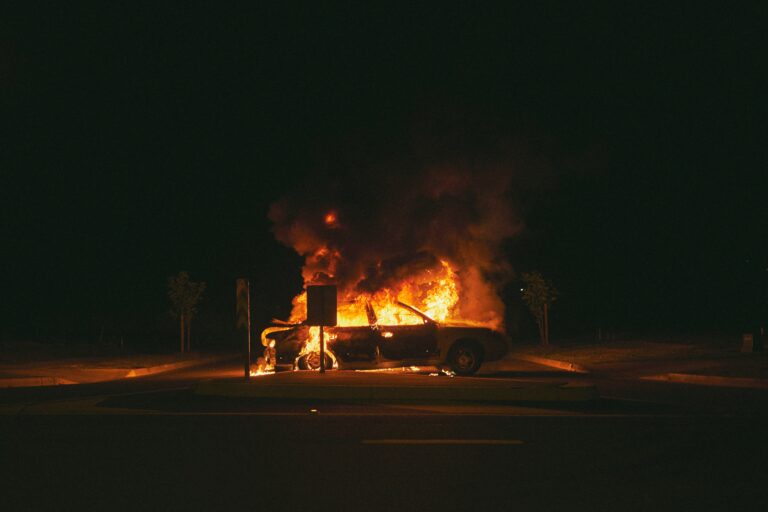
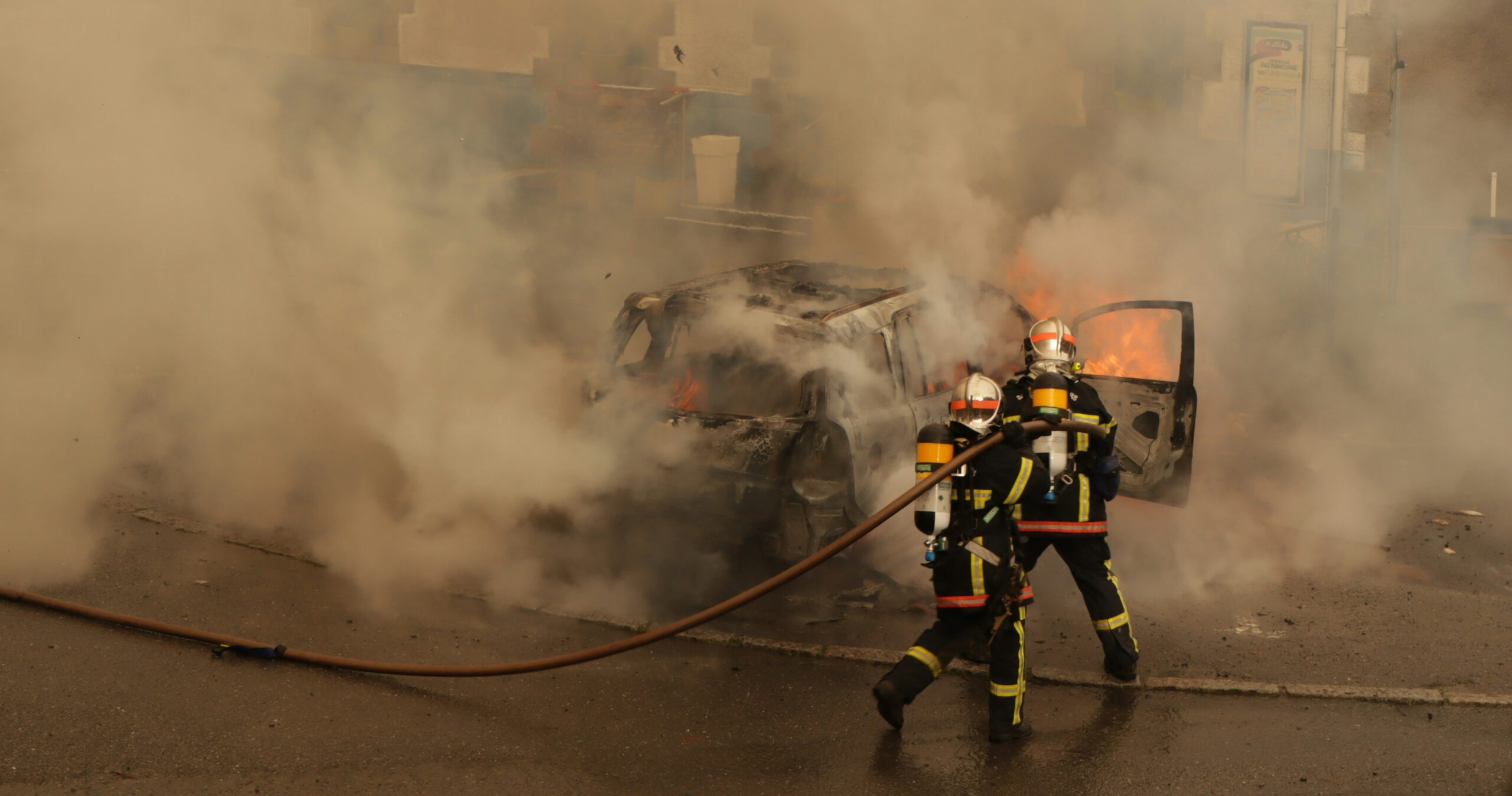
If you’re responsible for a parking structure, a fleet yard, or a service bay, an EV fire blanket is one of the most practical pieces of safety gear you can own. But like any tool, how it’s built and how it’s used make a real difference. Here’s what to look for, and what to avoid.
Heat resistance you can verify
Car-scale battery fires get extremely hot, so the fabric matters. Quality blankets are typically woven from silica or specialty glass fiber. One manufacturer’s e-auto blanket, made from special glass fiber fabric, is rated to withstand up to 1,000°C, with peaks as high as 1,750°C. If a product can’t tell you its sustained and peak temperature ratings, keep shopping.
Gas management: the feature most buyers overlook
Here’s the part that doesn’t show up in flashy marketing videos. When a battery burns, it releases gases. These include ignitable gases such as hydrogen and gaseous hydrocarbons, along with toxic compounds such as hydrogen fluoride, hydrogen cyanide, and carbon monoxide.
The 2025 NFPA/UL FSRI research found that even after the flames were eliminated, battery thermal runaway continued, releasing combustible gases and heat. Flammable gases built up under the blankets, creating an explosion risk for firefighters and others near the vehicle.
That’s not a reason to skip the blanket. It’s a reason to buy a well-engineered one and learn to use it properly. Some manufacturers now design for exactly this problem. Fire Isolator, for example, says its fabric is engineered to let gases, smoke, and vapour escape in a controlled way while still containing flame and radiant heat, to prevent flammable gas from accumulating underneath.
This training segment walks through how responders are thinking about blankets in light of the new research:
The step people get wrong: taking it off
The NFPA work found that the explosion risk increased when the blanket was removed, because oxygen-rich air was reintroduced to the smoldering vehicle. Removal is the moment of highest danger, not the deployment.
Practical guidance from the field:
- Leave it on. Don’t peek. The battery can still be reacting underneath long after the flames are gone.
- Let trained responders handle removal. One blanket supplier advises waiting 30 to 60 minutes after the last sign of fire, then sliding the blanket off rather than lifting it.
- Treat the car as live. A battery that looks finished can reignite hours later.
Part of a system
The best results come when the blanket is one piece of a larger plan. Fire Isolator recommends pairing a high-temperature blanket with aerosol suppression, watermist cooling, and a tool that penetrates the battery to cool it from within once it’s safe to do so. Contain first, then cool.
Used with that mindset, an EV fire blanket is exactly what it should be: a fast, effective way to keep a bad situation from getting worse.