What an EV Fire Blanket Actually Does (and Why That’s Exactly the Point)
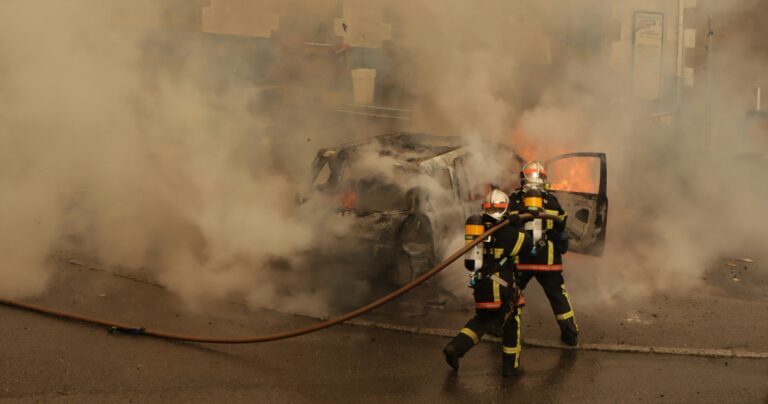
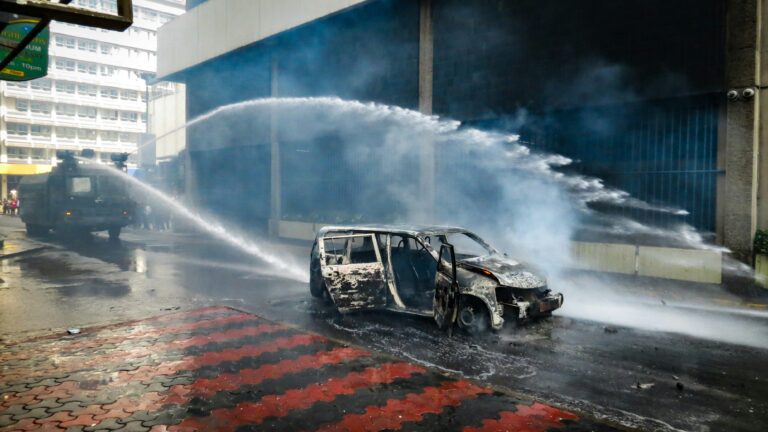
Ask most people how you put out an electric car fire and they’ll guess “a lot of water.” They’re not wrong. The International Association of Fire Chiefs recommends fire departments secure a continuous water supply of 3,000 to 8,000 gallons for an EV fire, compared to the few hundred gallons a typical car fire might need. In a parking garage, on a ferry deck, or at a rural charging stop, that much water may not be available.
That gap is where EV fire blankets come in.
Containment, not magic
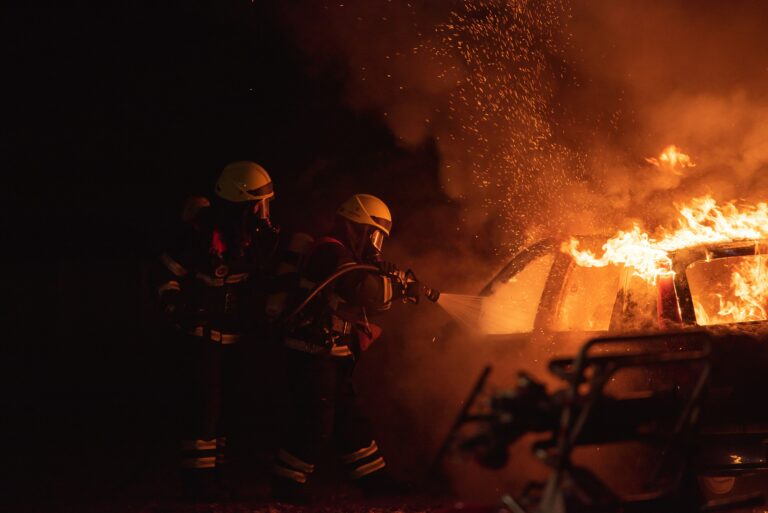
It’s worth being upfront about how these work, because the honest version is more impressive than the hype. A lithium-ion battery in thermal runaway is a chain reaction. One cell overheats, fails, and heats the next. The battery generates its own heat and, to some extent, its own oxygen through the decomposition of battery components. Nothing you throw over the car is going to stop that chemistry on the spot.
What a good blanket does is take control of everything around that reaction. Independent testing backs this up. In experiments run by UL’s Fire Safety Research Institute with the NFPA’s research foundation, fire blankets effectively smothered EV battery flames by reducing the oxygen reaching the fire. Cover the car and the visible fire drops dramatically. So does the radiant heat that would otherwise ignite the car parked next to it, the charger, or the building.
The numbers from a live demo
The video below comes from a demonstration at the HORIBA MIRA test facility in the UK. The vehicle reached a temperature of at least 900°C. After the blanket went on, the fire temperature dropped to 47°C, containing the fire and minimizing collateral damage while allowing time for fire service response.
One detail from that demo is worth highlighting. The manufacturer said it would never advocate using the blanket on such a raging inferno, and that it’s specifically designed to quarantine vehicles in a suspected pre-fire condition. That’s the sweet spot: a car that’s smoking, hissing, or showing battery warnings, caught before it becomes a full-blown fire.
Why “buying time” matters so much
With an EV fire, time is the whole game. Minutes let you evacuate a garage, move neighboring vehicles, and get trained responders on scene with the right equipment. A blanket turns an escalating, spreading fire into a contained, manageable incident. For fleet depots, dealerships, parking operators and tow companies, that difference can be one damaged car versus an entire row of them.
Here’s another field demo, this one done with a fire department in Edmond, Oklahoma:
In our next post, we’ll look at the safety features that separate a well-designed EV blanket from a generic one, and the one handling mistake every owner should know about.